Pre-Civil War
Harpers Ferry National Historical Park
2,500 acres at confluence of Virginia, West Virginia and Maryland (US) managed by the National Park Service
This page discusses John Brown's 1859 armed anti-slavery raid.
Overview
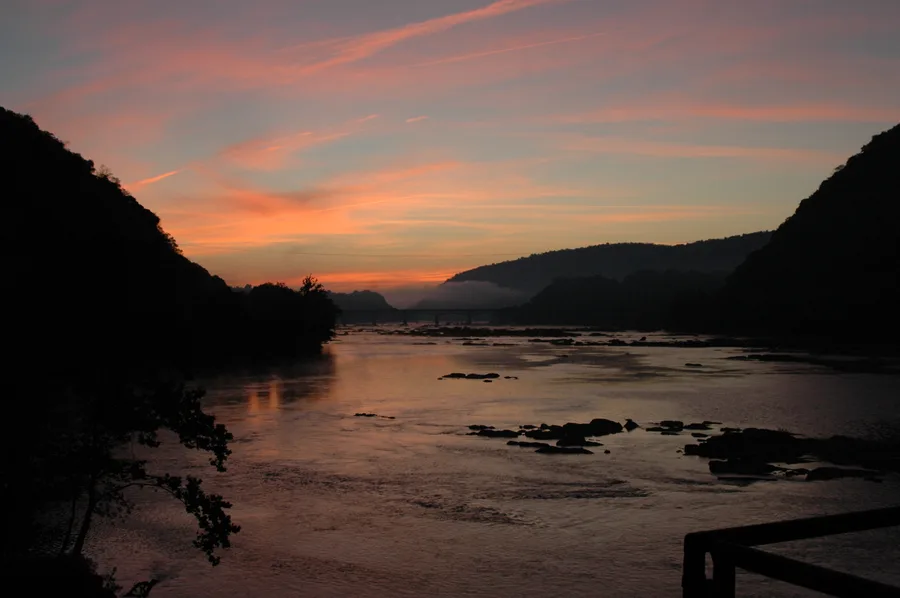
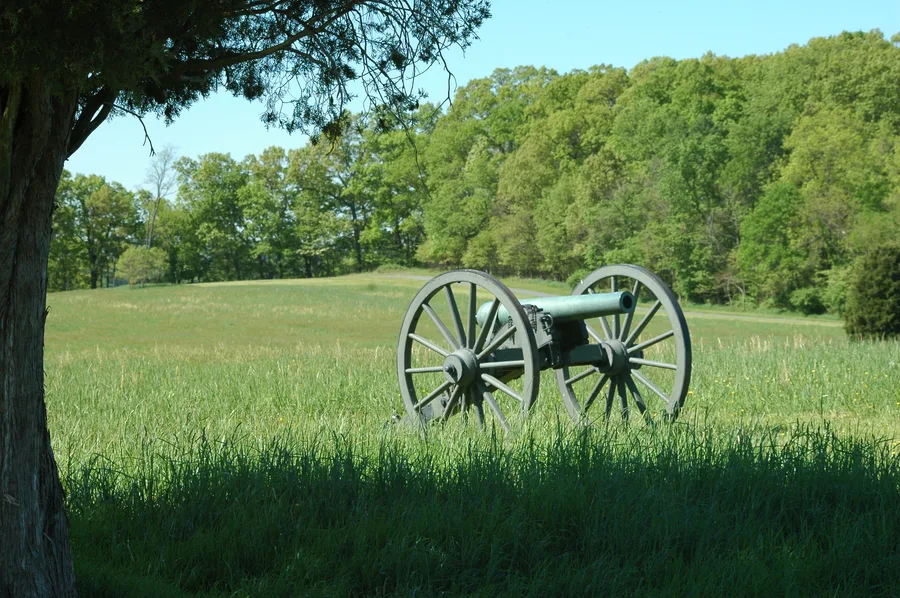
Harpers Ferry National Historical Park, at the confluence of the Potomac and Shenandoah rivers in West Virginia, preserves the site of the most famous single event in the town’s history: John Brown’s 1859 raid on the federal armory there, an armed attempt to seize weapons and spark a wider uprising against slavery. Brown’s raid failed and he was captured, tried, and executed, but the raid itself is widely regarded by historians as a pivotal moment that sharpened sectional tensions over slavery in the final years before the Civil War.
John Brown’s Fort
The building where Brown made his final stand, known today as John Brown’s Fort, is the most visited historic site in the entire state of West Virginia — a testament to how central this single episode remains to how Americans understand the road to the Civil War. The National Park Service’s early 20th-century effort to acquire and preserve the site specifically to commemorate Brown’s raid and the Civil War faced organized opposition from Confederate heritage organizations including the United Daughters of the Confederacy, a documented conflict over historical memory this site notes honestly rather than omitting.
An Arsenal That Armed Lewis and Clark
Before it became synonymous with Brown’s raid, the federal armory at Harpers Ferry — built at George Washington’s direction to harness the rivers’ waterpower for manufacturing — supplied most of the weaponry for the Lewis and Clark Expedition, with its blacksmiths even building the expedition’s collapsible iron boat frame. Between 1820 and 1840, armory worker John H. Hall pioneered the use of precision molds and jigs to manufacture truly interchangeable parts there, one of the founding achievements of American precision manufacturing, employing as many as 400 workers at its peak — the very facility Brown targeted in 1859 was, by then, one of the most technologically advanced arms-manufacturing sites in the country.
Legacy
Originally designated a national monument in 1944 and elevated to a full National Historical Park by Congress in 1963, the nearly 4,000-acre park sits within 50 miles of Washington, D.C., a proximity that has made it accessible to generations of visitors and researchers. Thomas Jefferson himself, visiting in 1783, called the surrounding landscape “one of the most stupendous scenes in Nature” — but the park’s enduring significance rests less on that natural beauty than on Brown’s raid, an act of armed resistance to slavery whose failure did not prevent it from helping accelerate the war that would end the institution he died trying to destroy.
Related
More in Civil Rights, Military